
The Life Spans of Pests

When insects, bugs, and other pests annoy you, it may seem like the same fly is bothering you for days, weeks, or longer. The fact is that most insects live only hours or days, but in some unique cases, insects may live for years. Different species have different breeding schedules, which are directly connected to how long they live. One of the things that all pests do is reproduce, so if they reproduce quickly and in large numbers, they do not need to live as long. Queens, including termites, ants, and honeybees, live longer than most, and that is purely because they are cared for and protected at all costs by all the others in the colony. After all, the queen’s only job is to make babies and ensure their species survives.
Life Expectancy Comparison
According to the Life Expectancy published by the National Center for Health Statistics, the average human lives 78.4 years. Domestic animals live on average 13 years. Most insects live such brief lives that people often don’t consider them a threat, but this is a mistake. Females usually live longer than males, which is also true of human life expectancy. All pests can enter structures, cause damage, or leave a mess that attracts larger pests to feed.
Eight-Legged Arachnids
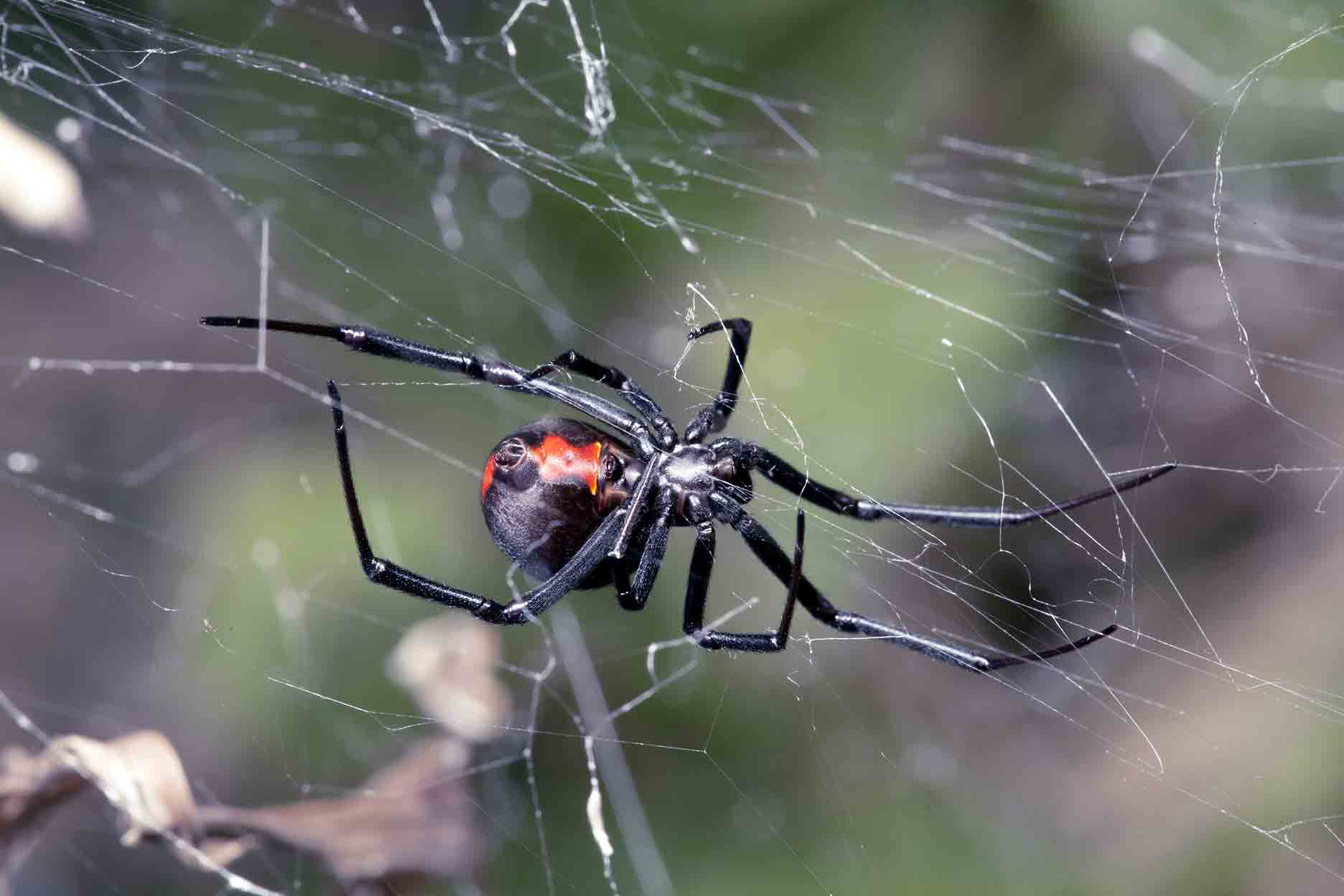
A fancy name for spiders, little ones and big ones live in the environment. We all know they do good things, like catching other insects, but when you walk through a spider web on your way outside, or find a poisonous spider in the attic, it is not a welcome visitor. Most spiders typically live a year or two.
Wood-Eating Termites
The bad news is that termite queens can live well past 50 years! Termites are invasive, eating wood and weakening structures. Termites are not only a structure-destroying pest, but they will also attract other pests to eat the dead bodies. If you own a home or business, it is critical to have a termite inspection, which is why many loan companies require this ahead of a property purchase. An inspection reveals an infestation that can lead to successful extermination and preventive treatment going forward.
Blood-Sucking Ticks
Ticks have four stages of life: egg, larva, nymph, and adult. These pests typically live between 3-5 months. They may fall from trees, land on pets, or on people. Once these latch on, they suck blood to feed and can be difficult to remove. Ticks carry diseases, and properties and perimeters should be treated against them regularly.
Die Hard Cockroaches
The joke goes that cockroaches may be able to survive in conditions that are unbearable for humans and other pests. Unfortunately, roaches can live more than a year and can survive without a head for days. The cockroaches we find most common in America live between 1 and 2 years. Professional treating against roaches keeps them away from the home and yard because they will always be seeking food, garbage, and other insects.
Buzzing Bees
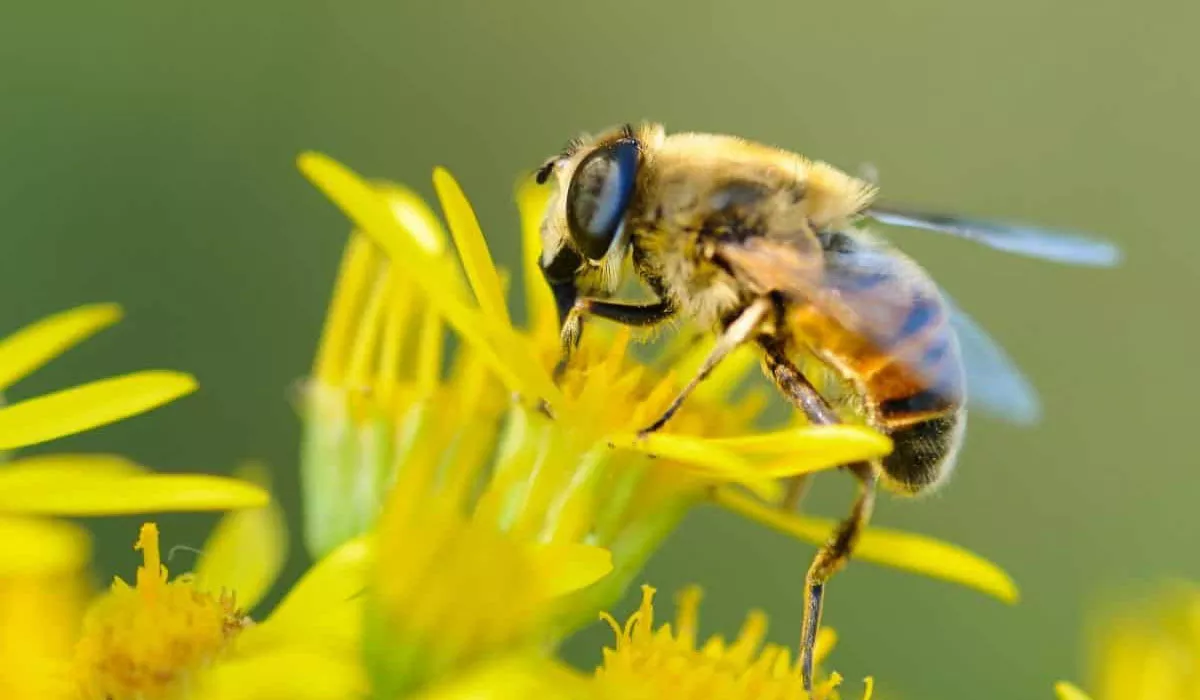
Social bees, like honeybees, live in colonies. A queen can live up to three years, laying eggs the entire time. Worker bees’ life spans vary depending on the time of year – they can actually live longer in colder weather because there are more needed to continue to provide for the hive! Bees with the stinger attached to their abdomen will die after stinging because the stinger and the bottom half of their bodies stay in the victim. Beehives should be professionally removed due to the risk to people attempting to remove them. Using the proper removal methods is vital because multiple bee stings can land a person in the hospital.
Treating for Pests in all Life Stages
Every pest is slightly different, and a quality pest control treatment plan will eliminate and prevent eggs, larvae, and the adult version of the pests. Simply exterminating adult cockroaches won’t do because there are babies on the way! People should understand that every pest they see has eggs and babies somewhere in the area, which is why it is strongly recommended to have a reputable pest control company perform treatments during the year. Pest activity will vary with weather and other environmental conditions, but once they are inside the home, the problem must be addressed.
Bigfoot Pest Control, owned and operated by a Chicago native, offers the most effective treatments for all pests. Bigfoot uses low-toxicity products that are highly effective, so Chicagoans and their pets stay safe immediately before and after treatments. An eco-friendly approach is the best way to safely get rid of and keep pests away – contact their offices today for an inspection and affordable treatment plans for your home or business.
Call today at 847-891-8852!